Blacklist of Tourist Destinations 2025–2026: The Dark Side of Popular Travel Spots
0

This morning, I felt a strong calling to share these words —
The world is brimming with captivating destinations that draw travelers with their stunning landscapes, rich cultures, and storied histories. Yet, behind the glossy postcards and vibrant social media posts lies a less glamorous reality: environmental devastation, local discontent, and strained infrastructure. In 2025–2026, several iconic locations have landed on a so-called “blacklist” due to overtourism, which threatens their natural and cultural integrity. This article dives into eight such places—Bali (Indonesia), Koh Samui (Thailand), Agrigento (Sicily, Italy), British Virgin Islands, Kerala (India), Kyoto and Tokyo (Japan), Oaxaca (Mexico), Barcelona (Spain),and Scotland’s North Coast 500—uncovering their hidden challenges to help you make informed travel choices.
Barcelona, Spain: Beauty Buckling Under the Weight of Visitors
Barcelona, Spain’s Mediterranean jewel, has become one of Europe’s most overburdened cities, landing it on the 2025–2026 blacklist. With nearly 12 million tourists annually—three times its population—the city struggles to balance its global fame with local well-being. Residents complain of soaring rents, with housing costs doubling in a decade as apartments are converted into short-term rentals. This “Airbnb effect” has driven many Barcelonans out of the historic center, replacing communities with transient tourist crowds.
The city’s infrastructure also shows cracks. Popular sites like La Sagrada Família and Park Güell are overwhelmed, with queues stretching for hours, while narrow Gothic Quarter streets choke under constant foot traffic. The port, one of Europe’s busiest for cruise ships, adds to the congestion and pollution, contributing to declining air quality.
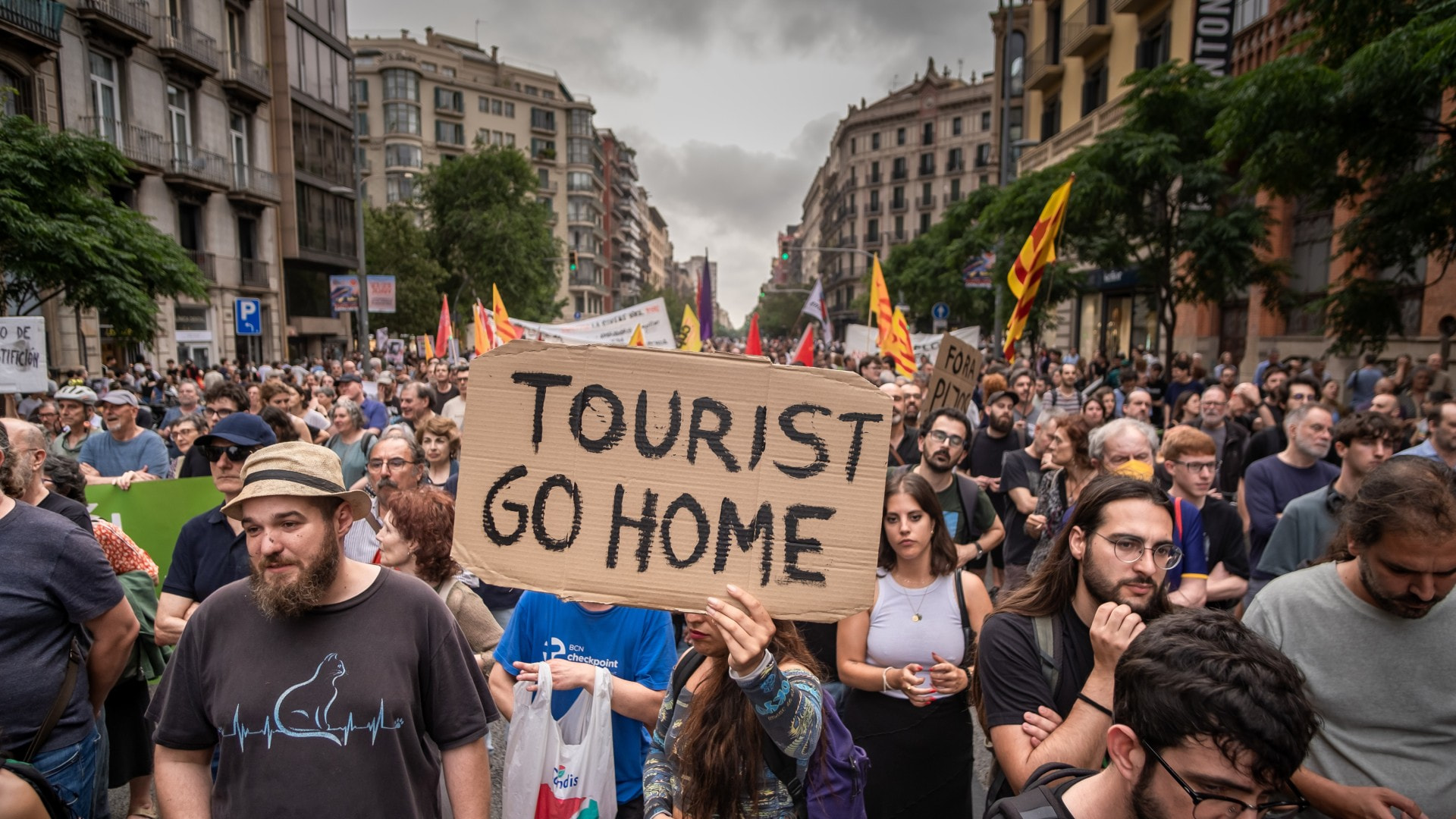
Locals have staged protests, chanting “Tourists go home,” highlighting the tension between economic gain and quality of life. In 2024, Barcelona implemented new restrictions on short-term rentals and increased tourist taxes to slow the influx, but experts argue more systemic reforms are needed. For travelers, Catalonia offers alternatives: the coastal town of Sitges, the medieval city of Girona, or the Pyrenees mountains provide authentic experiences without overwhelming the capital.
The main photo of this article shows a protest against excessive tourism in Barcelona.
Bali, Indonesia: A Plastic Paradise on the Brink
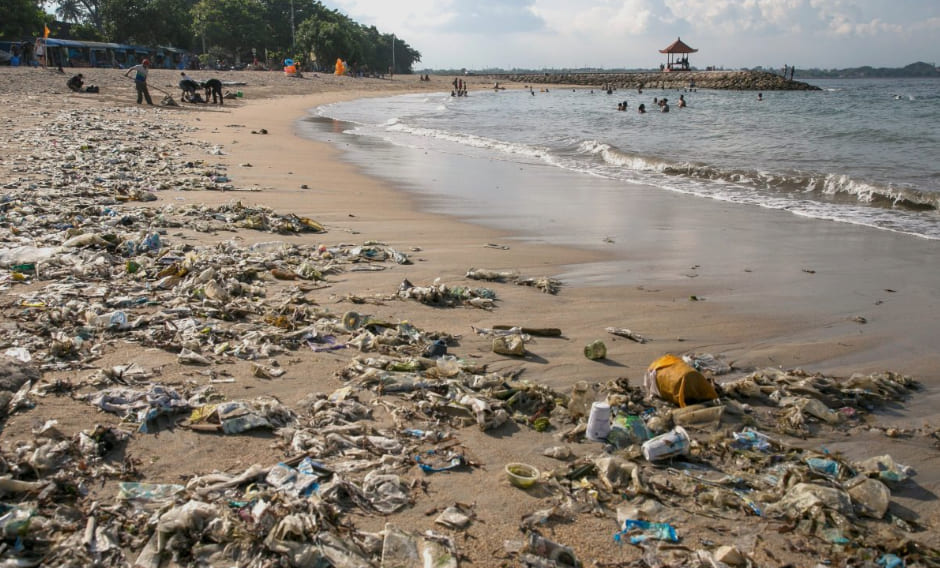
Bali, long celebrated as Southeast Asia’s tropical gem, is grappling with an environmental crisis fueled by overtourism, earning it a top spot on the 2025 blacklist. In 2023, the island welcomed 5.3 million foreign visitors, with a 22% surge to 3.5 million in the first seven months of 2024. This influx has transformed pristine beaches like Kuta and Seminyak into dumping grounds, with the island generating 1.6 million tons of waste annually, including 303,000 tons of plastic. Only 7% of this plastic is recycled, leaving 33,000 tons to pollute rivers, beaches, and seas, creating what local activists call a “plastic apocalypse.”
Beyond waste, tourism strains Bali’s infrastructure. Traffic jams clog southern areas like Canggu and Ubud, while water from the traditional subak irrigation system, vital for rice fields, is diverted to hotels and villas. This threatens both the environment and Bali’s cultural heritage, as locals face rising costs—rental prices in popular areas have spiked by 50–70% over five years. Ida Bagus Agung Parta Adnyana, head of Bali’s Tourism Board, argues the issue lies not in tourist numbers but in their concentration in the south, leaving other regions under-visited. Without systemic change, Bali risks losing its allure, becoming an overcrowded resort with a fading soul.
Koh Samui, Thailand: Under the Shadow of “White Lotus”

Koh Samui, a compact Thai island spanning just 95 square miles, faces a looming tourism surge in 2025, driven by the filming of HBO’s “White Lotus” Season 3, set to release that year. The island’s landfill is already overflowing with 200,000 tons of waste, and its water supply and sewage systems struggle to keep up. Following the show’s impact on Phuket, now the world’s most overcrowded destination, experts fear Koh Samui could face a similar fate.
The island’s challenges extend beyond waste. Rapid construction of villas and resorts, often with lax environmental oversight, leads to sewage runoff that threatens coral reefs and marine life. Locals report rising prices and traffic congestion, while traditional fishing villages morph into tourist hubs, losing their authenticity. Travelers are urged to consider lesser-known Thai islands like Koh Chang or Koh Lanta to avoid crowded beaches and environmental strain.
Agrigento, Sicily, Italy: A Cultural Capital in a Water Crisis
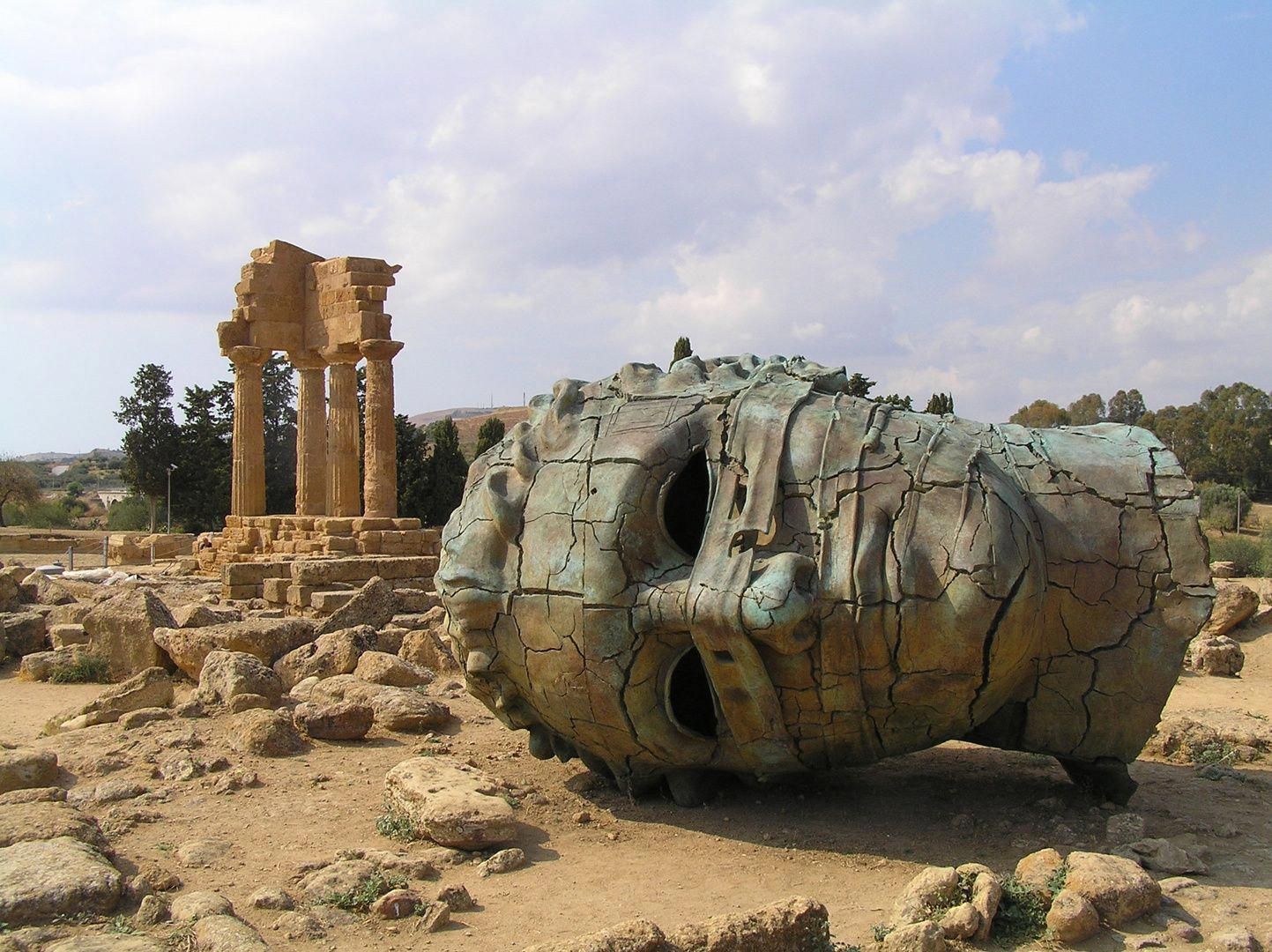
Agrigento, a historic city on Sicily’s southwest coast, is set to be Italy’s Cultural Capital in 2025, thanks to treasures like the UNESCO-listed Valley of the Temples. However, a severe water crisis triggered by drought and overtourism has landed it on the blacklist. In 2024, the region declared a state of emergency due to water shortages, with some hotels facing booking cancellations as travelers fear a lack of basic amenities. Locals, reliant on agriculture, suffer as water is diverted to tourist facilities.
The tourist influx also endangers archaeological sites. The Valley of the Temples faces wear and tear from excessive visitors, accelerating damage to ancient structures. Local authorities have yet to offer effective solutions, and plans to boost tourism in 2025 have sparked protests from residents demanding water priority for communities. Travelers are advised to explore less-strained Sicilian cities like Syracuse or Catania.
British Virgin Islands: Cruise Boom, Local Bust
The British Virgin Islands (BVI), famed for turquoise waters and yachting, are overwhelmed by cruise ship tourism. Since Hurricane Irma in 2017, infrastructure, including sewage systems, remains underfunded, with untreated waste often spilling into the sea, threatening coral reefs. The BVI’s $100 million investment in upgrades falls short of the estimated $600 million needed for full recovery, leaving the islands vulnerable.
Locals lament that cruise revenue largely bypasses them, enriching major operators while small businesses see minimal gains. Rising housing and food costs add to tensions. Travelers seeking a Caribbean escape are encouraged to visit less-visited islands like Dominica, where infrastructure better handles tourist flows.
Kerala, India: Authenticity Under Siege
Kerala, renowned for its backwaters, Ayurvedic retreats, and lush landscapes, is buckling under tourism’s weight. In 2024, the region saw 19 million visitors, a 15% increase from pre-pandemic levels. This has strained infrastructure, particularly in Alleppey’s overcrowded canals, now clogged with houseboats causing water pollution and noise. In Munnar, deforestation for tourist projects threatens biodiversity.
Locals also decry the commercialization of their culture, with traditional festivals and Ayurvedic practices turning into tourist spectacles, losing spiritual depth. While Kerala’s authorities promote sustainable tourism, efforts focus more on marketing than addressing ecological and social issues. Travelers are advised to explore less-crowded Indian regions like Karnataka or Tamil Nadu to support local economies without adding strain.
Kyoto and Tokyo, Japan: Victims of Cheap Yen and Crowds
Kyoto and Tokyo have fallen prey to overtourism, fueled by a weakened yen making Japan a budget-friendly destination. In 2024, Japan welcomed 33 million tourists, 10% more than in 2019. Kyoto’s Gion district, home to geishas, is overrun, with narrow streets congested and temples like Fushimi Inari marred by litter and vandalism. Locals have imposed access restrictions to curb “tourism pollution.”
Tokyo faces similar woes, with sites like Shibuya Crossing and Mount Fuji overwhelmed. New restrictions on Fuji, including entry fees and visitor caps, have yet to fully ease the pressure. Rising housing and transport costs hit locals hard. Travelers are encouraged to visit Osaka or Hokkaido, where tourism’s impact is less severe.
Oaxaca, Mexico: A Cultural Gem Losing Its Shine
Oaxaca, celebrated for its Guelaguetza festival and mezcal heritage, has seen a 77% tourism surge since 2020. This boom has commercialized traditions, turning crafts and festivals into tourist products, diluting their authenticity. Over 2,000 Airbnb listings in 2024 have driven a 60% rise in central city rents, displacing locals. Infrastructure struggles, with water shortages lasting over a month in some areas and transportation overwhelmed.
Protests are growing, especially in coastal areas like Puerto Escondido, where development threatens ecosystems. Travelers are urged to consider San Cristóbal de las Casas or Guanajuato, where tourism is less disruptive.
North Coast 500, Scotland: A Road to Overload
Scotland’s North Coast 500 (NC500), a scenic Highlands route, has become a victim of its own success. In 2024, over 200,000 tourists drove the route, causing traffic jams, parking shortages, and environmental damage. Litter and unauthorized camping harm natural areas, while infrastructure like gas stations and restrooms can’t keep up. Traditional villages are losing their charm to souvenir shops and rising prices.
With no robust solutions from Scottish authorities, locals urge travelers to explore alternative routes, such as those on the Isle of Skye or in Argyll, to ease the strain on the NC500.
Conclusion: Choosing Travel with Care
These eight destinations are not just trouble spots—they’re a wake-up call for more responsible travel. Overtourism threatens their beauty, culture, and communities, but travelers can make a difference. Opt for less-crowded regions, like Lovina over southern Bali, Osaka instead of Kyoto, or Argyll over the NC500. Avoid peak seasons and support sustainable practices to preserve these places for future generations. By choosing thoughtfully, you can help ensure their stories don’t fade into faded photographs.
Insider Scoop: Your Price Booking Revolution
In 2026, a game-changer is coming for travelers with Your Price Booking, a new platform set to disrupt hotel and rental bookings. This service promises exclusive deals by allowing hotels to offload unsold inventory at discounted rates, offering travelers significant savings. Whether you’re eyeing a sustainable stay in a less-crowded destination or planning a trip to one of these blacklisted spots, Your Price Booking aims to make affordable, responsible travel more accessible. Keep an eye out for its launch to snag unbeatable deals while supporting smarter tourism.