
Sacsayhuaman is a stone mystery of Peru
0

Andy Ray
The author of the Uncharted Planet section is an architect and artist, a traveler and researcher, and a proponent of alternative history. Combining professional architectural insight with visual thinking and field observations, he explores ancient civilizations, enigmatic structures, and traces of knowledge that do not fit into widely accepted historical narratives.
And once again we return to South America. We have already explored the ruins of one of the oldest cities in this region — Tiwanaku. And we will continue to explore the ancient cities of pre-Columbian America, but for now, let's take a look at another mysterious history and architecture — the city of Sacsayhuaman. On a mountain above the "archaeological capital" of Peru, the city of Cusco, are the ruins of an impressive megalithic structure - the complex of Sacsayhuaman (Saksaywaman). According to the official version, it is a stone fortress with a palace, built by the Incas. But the grandeur of this structure and the highest precision of stone processing indicate that its builders far surpassed the Inca civilization in terms of their technique and technology.
Anyone who hasn't seen it for themselves won't believe it
Spanish writer Garcilaso de la Vega said: "He who has not seen it himself will not believe that something can be built with such stones; they inspire horror in anyone who examines them closely."
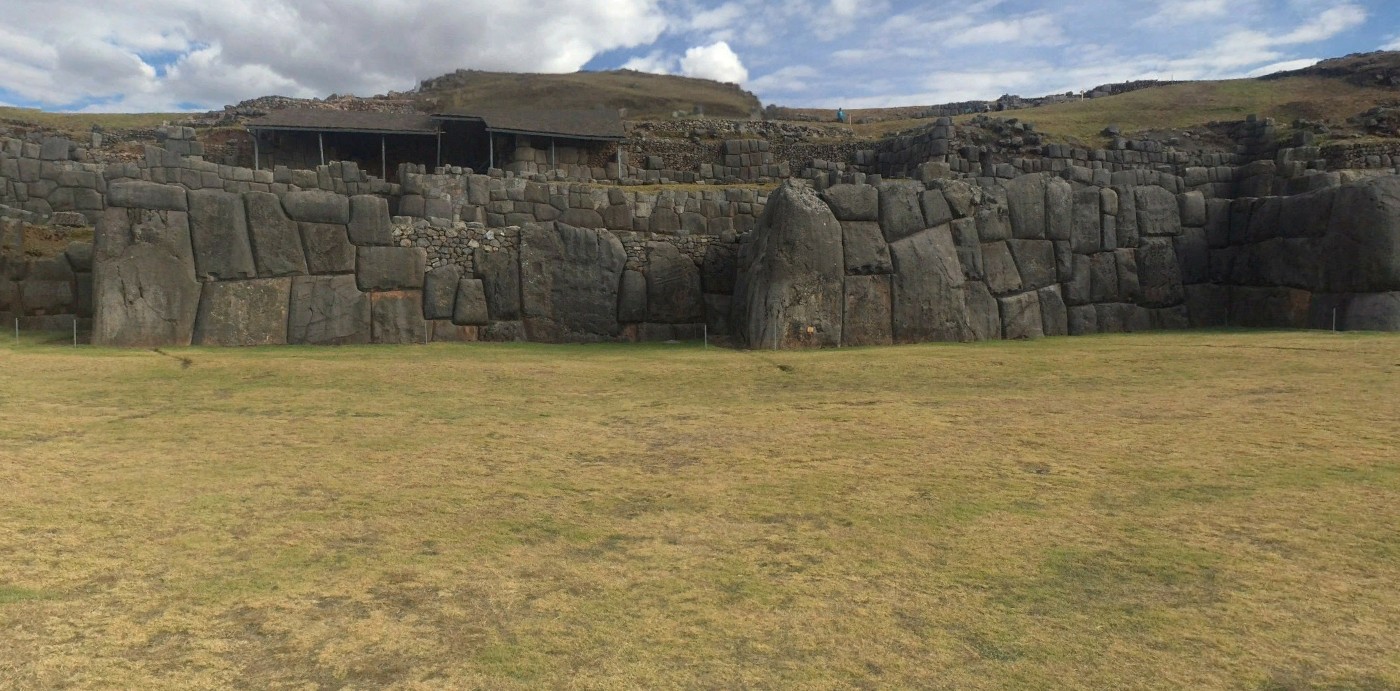
As already mentioned, Sacsayhuaman consists of two main parts. The first, impressive, is three lines of zigzag walls made of huge stone blocks. Their length reaches 400 meters. At the top, on the hill, are the ruins of a palace complex, also made of beautifully processed, although not so large, stones. Unfortunately, the palace was almost completely dismantled by the Spaniards when they used its stones to build their houses in Cusco.
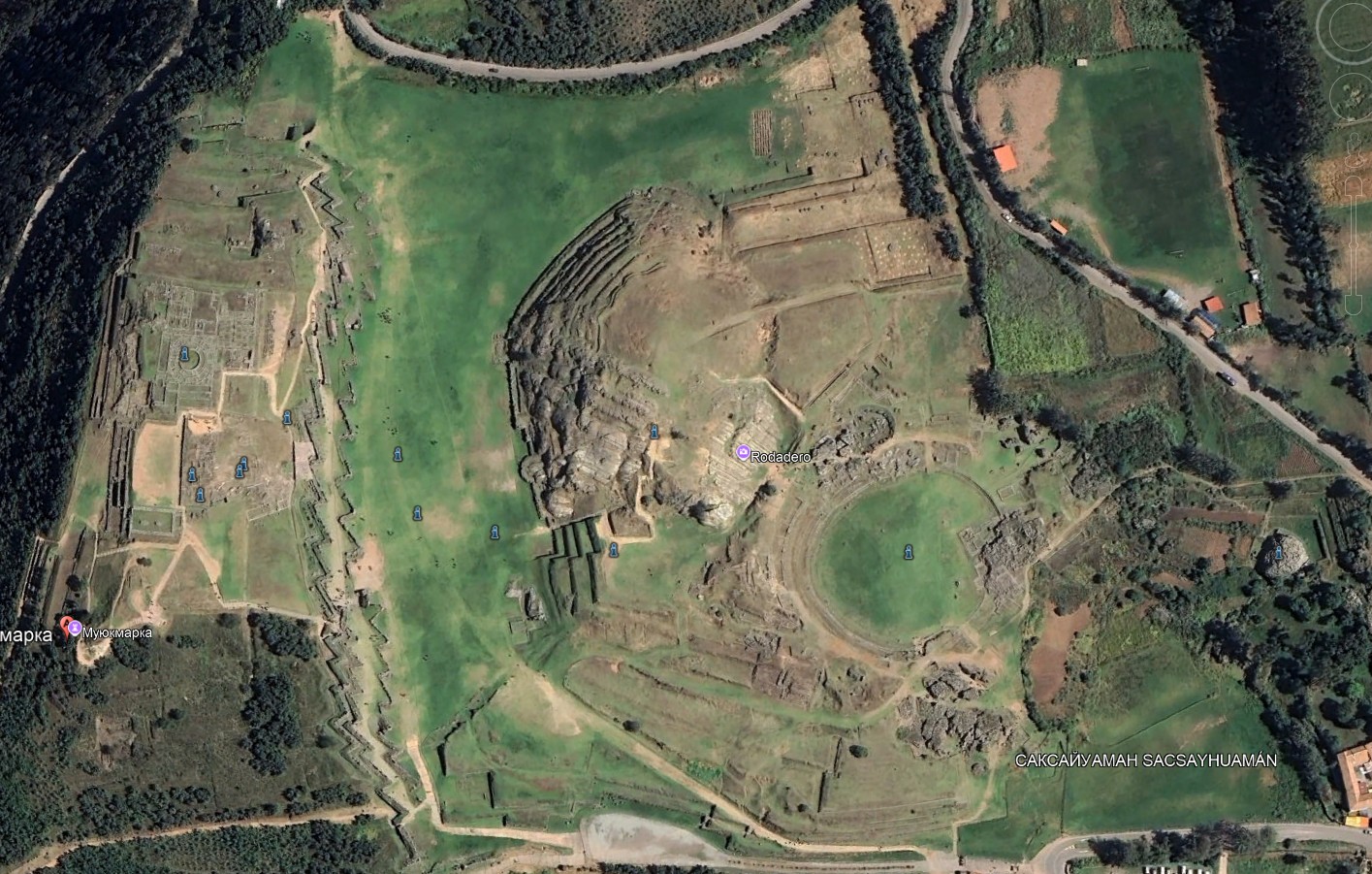
In this satellite photo, we can clearly see two parts of the ancient city of Saksaywaman. On the left is the complex's signature feature: a zigzagging three-tiered wall with huge megaliths and the remains of buildings that archaeologists have named “the palace.” On the right are also ruins of buildings whose purpose is difficult to determine. For example, the round green lawn surrounded by stone masonry reminds me of a huge amphitheater arena, but without seats for spectators. Although its slightly concave surface may lead us to think of some kind of sacred reservoir.
The precision of the stonework is impressive. They are not just precisely hewn. Huge boulders weighing tens and hundreds of tons are literally ground against each other, so that you can't even fit a sheet of paper between them. Of course, none of the stone tools that the Incas had could do this.
Someone very loved play in puzzle? Or did their technology allow them to create anything they wanted out of stone, and they saw no difficulty in doing so?
Interestingly, each of the thousands of stones has its own individual shape, no two are the same. So, they form a kind of three-dimensional stone "puzzle". Whoever the builders of these walls were, they had no problems with processing the stone.
Running away in advance, I will say you, what famous pyramid Cheops, what consists of with 2.3–2.5 million stone blocks, also there are like this itself "puzzle", which to collect today hardly or to someone under force, ago what with these millions blocks also no two identical and collected she with accuracy to millimeters! But there though masonry, on first view, understandable for us-horizontal (rows stones located horizontally), and here we see masonry polygonal. On question: “Why such difficulties?” historians with archaeologists respond: “Saving material. Anti-seismic properties”. But on question: “As it was done”? no one you will not answer. There were many theories until the idea emerged that ancient people could use the juice of some mysterious plants to soften stones to the consistency of plasticine and then, in some mysterious way, restore them to their original characteristics. And as be with dimensions and by weight these stones? The structure of the stone may have been altered, but it was definitely not by the Incas. And it is unlikely that it was done by humans at all.
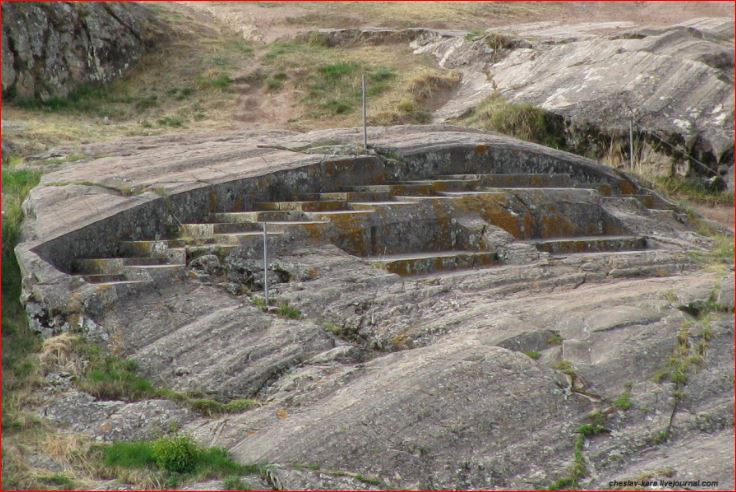
Opposite the zigzag walls is a rock with a strangely "erased" top. As you can see, it is also surrounded by a wall of polygonal stonework at the bottom. At the top of this rocky hill is the so-called "Inca throne". This is a fragment of rock from which a huge "staircase" was apparently cut with some kind of tool. What was used to cut the stone in this way is a mystery (but clearly not with stone axes).
We analyzed the most famous aspects of Saksaywaman. Even these (the explanations provided by historians) raise reasonable doubts in our minds, and for me, having worked as an architect for 30 years, they simply make me smile. In the following photos, you will see the stones of Saksaywaman that are not advertised and, as a rule, few people pay attention to.
Molten stones
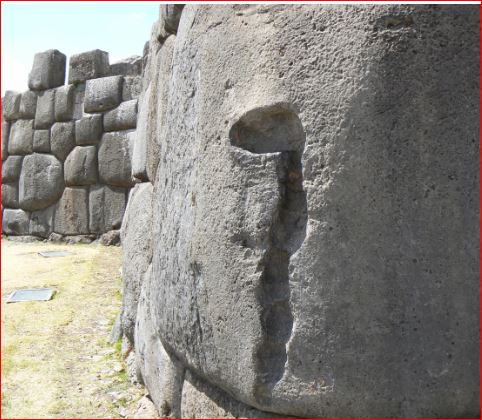
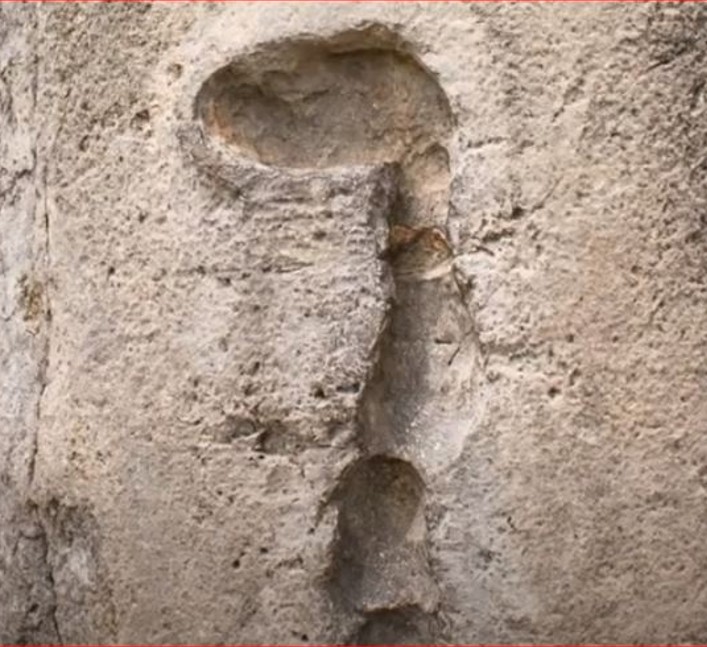
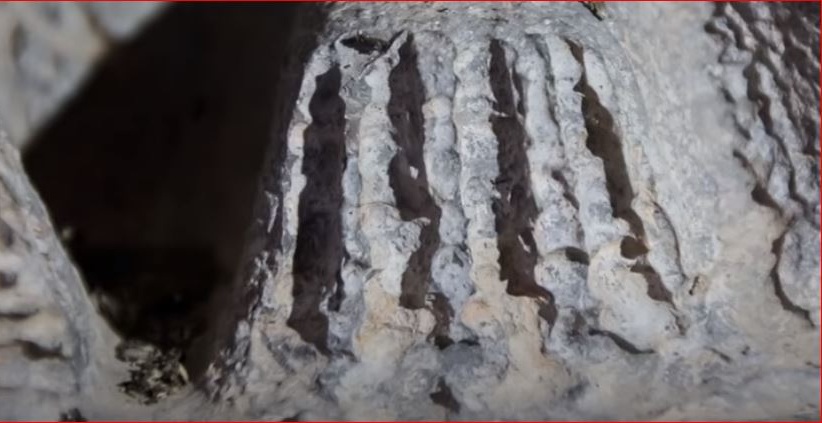
In your opinion, who could have done this to the stone and how? Was it a laser beam or some other kind of heat treatment? Acid?
Sacsayhuaman alone raises so many questions that we cannot answer, but this is only the beginning. With each new publication, there will be more and more such questions.
Evidence that more advanced civilizations existed on Earth is scattered across our planet, and we will try to examine many of them.
In my book "War of the Gods", I tried to imagine how these structures could have come into being and who helped humans make a giant leap in their development. This is my view of the history of human development in prehistoric times.